
Aim
To define the molecular mechanisms of viral disease and translate them into therapeutic strategies that target both the virus and its consequences for the host.
Laboratory of Epigenetics of Viral Infections, Duke-NUS
We investigate how influenza A virus, SARS-CoV-2 and other respiratory viruses remodel RNA processing and chromatin in the cells they infect, and how these changes determine the course of disease and recovery.
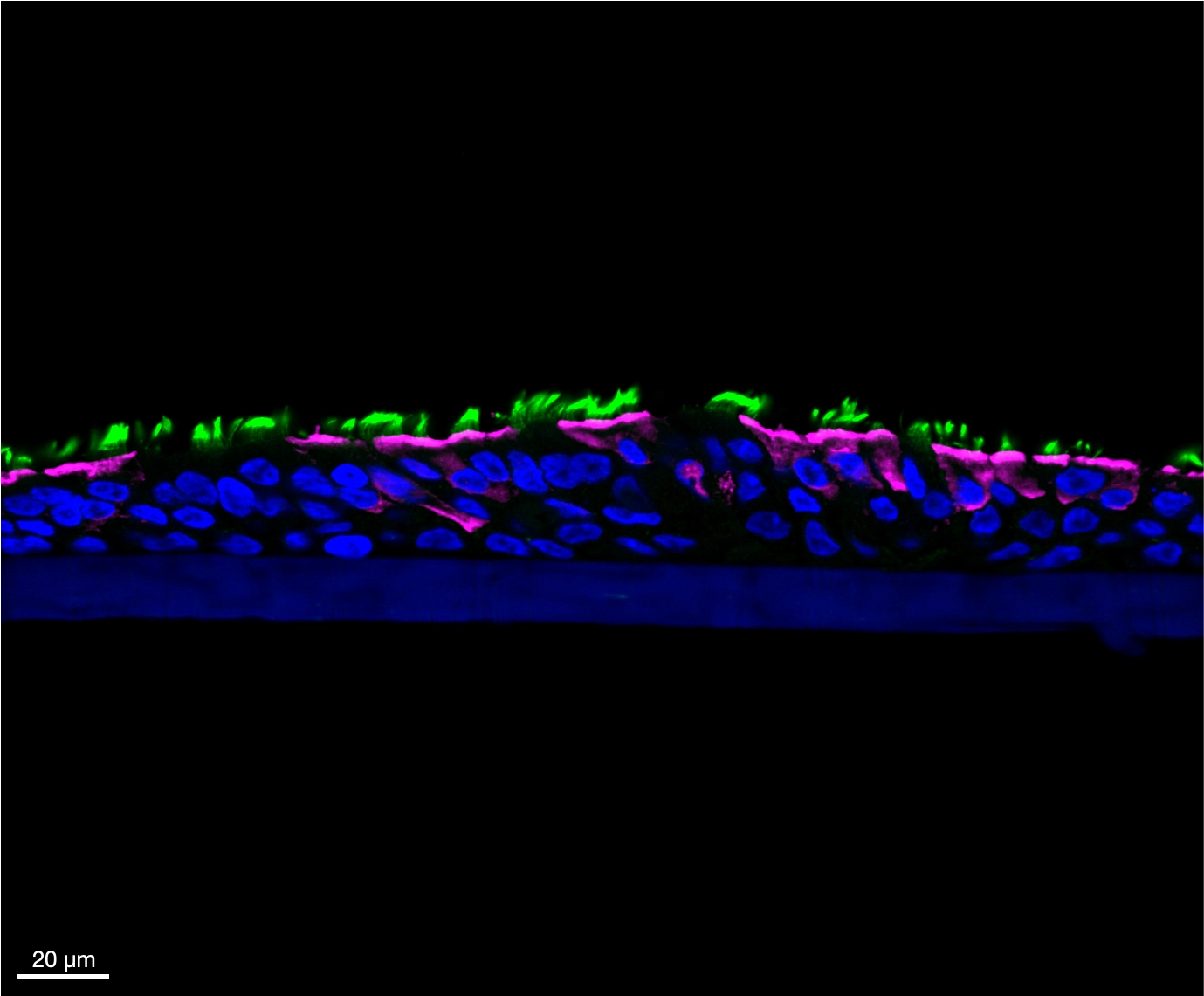
Host cell Infected Goblet cell
The lab
The lab focuses on two layers of host gene regulation that are remodelled by respiratory virus infection: RNA processing, which determines the transcript and protein repertoire of the cell, and the epigenome, which governs gene regulation during infection and after its resolution.
Aim
To define the molecular mechanisms of viral disease and translate them into therapeutic strategies that target both the virus and its consequences for the host.
Mission
To determine how infection alters the readout of the host genome, and which of these alterations are reversed or retained as the tissue recovers.
We are always looking for curious and motivated individuals who share our passion for RNA and molecular biology, and who bring a sense of fun, curiosity, and adventure to scientific discovery!
PhD students
Doctoral projects within the RNA processing and epigenome programmes.
Postdoctoral fellows
Independent projects combining infection models with long-read and multi-omic approaches.
Visiting scientists
Research visits and collaborations, by arrangement.